Did you know that the global gluten-free products market was valued at over $5.7 billion in 2022 and is projected to grow significantly? This surge in demand highlights the increasing need for delicious and texture-friendly gluten-free baking options, especially when it comes to soft, fluffy bread.
For those avoiding gluten, achieving a light and airy loaf can be a challenge, but the right flour blend makes all the difference. Forget dry, crumbly textures; these top three gluten-free flours are your secret weapon for creating divine soft loaves.
1. Sweet Rice Flour (Mochiko)
Often overlooked, sweet rice flour, also known as mochiko, is a star player in gluten-free baking. Unlike regular rice flour, sweet rice flour is made from glutinous rice, which gives it a wonderfully chewy and tender texture when baked. It’s particularly effective at mimicking the soft crumb of traditional wheat bread. Its natural stickiness helps bind ingredients together, reducing the need for excessive gums.
- Why it works: Its high starch content gelatinises easily, creating a moist and soft crumb structure.
- Tip: Combine it with other gluten-free flours for a balanced texture.
2. Sorghum Flour
Sorghum flour is a whole-grain flour that offers a mild, slightly sweet flavor and a surprisingly soft texture. It’s a fantastic source of fiber and nutrients, making it a healthier choice. When used in a gluten-free blend, sorghum flour contributes a pleasant moisture retention and a fine, cake-like crumb that is often missing in other gluten-free options.
- Why it works: Its fine grind and mild flavor make it versatile and contribute to a smooth texture.
- Tip: Use it in combination with lighter flours like tapioca starch or potato starch.
3. Tapioca Starch (Tapioca Flour)
While technically a starch, tapioca starch is indispensable in gluten-free baking for its ability to create a light, airy, and slightly chewy texture. It’s incredibly absorbent and helps to create that desirable “pull” in bread. Tapioca starch also aids in browning, giving your gluten-free loaves a beautiful golden crust.
- Why it works: It acts as a binder and thickener, contributing to elasticity and a tender crumb.
- Tip: Often used in conjunction with other flours to lighten the overall texture.
The Power of Blending
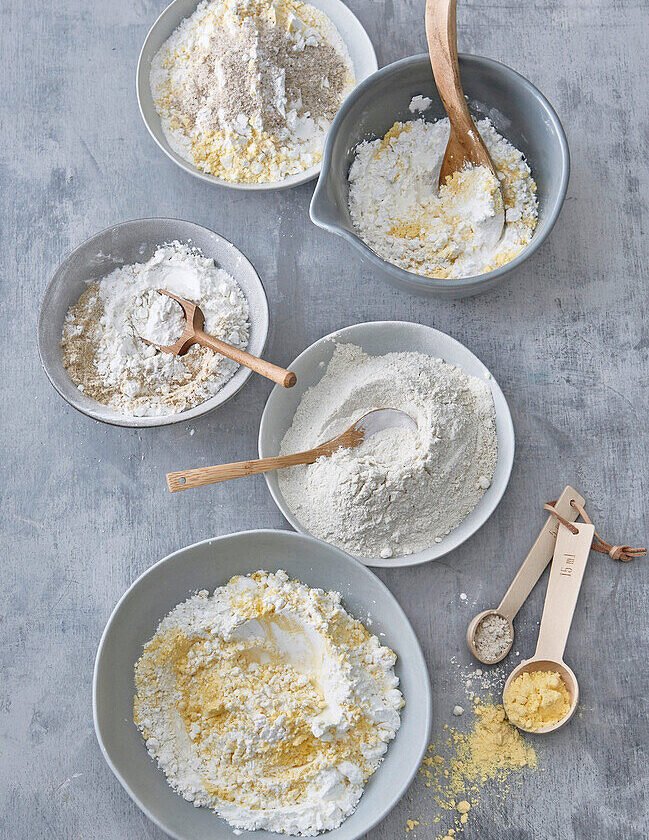
It’s important to note that most successful gluten-free breads are made using a blend of flours and starches. Combining these top three flours in different ratios can help you achieve the perfect balance of softness, structure, and flavor. For instance, a blend of sweet rice flour for tenderness, sorghum flour for moisture, and tapioca starch for lightness can result in loaves that rival their gluten-containing counterparts.
For those curious about the nuances of gluten-free baking, exploring resources on alternative flours is key. For example, understanding the characteristics of Japanese milk bread, often referred to as shokupan, can provide inspiration for achieving that signature fluffy texture, even without gluten. You can learn more about the unique qualities of shokupan here: Japanese Milk Bread (Shokupan).
Conclusion
Baking soft, delicious gluten-free bread is entirely achievable with the right ingredients. By incorporating sweet rice flour, sorghum flour, and tapioca starch into your baking repertoire, you can unlock a world of tender, moist, and satisfying loaves. Experiment with different ratios and enjoy the journey to your perfect gluten-free bake!