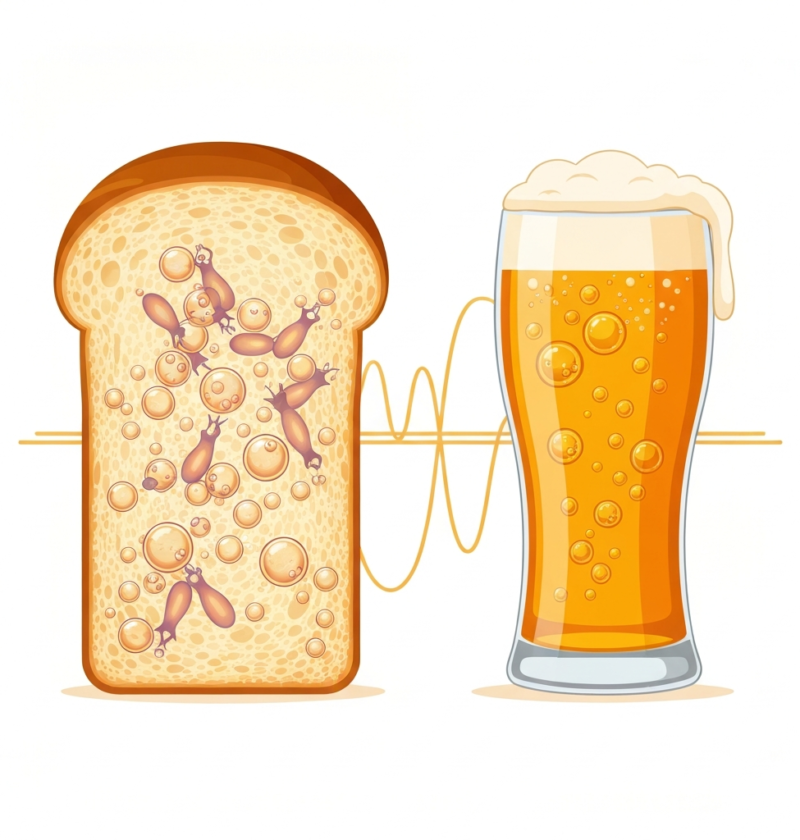
Did you know that a single teaspoon of active dry yeast contains trillions of individual yeast cells? This microscopic organism, Saccharomyces cerevisiae, is a powerhouse of fermentation, playing a crucial role in transforming simple ingredients into complex and delicious products, from fluffy yeast rolls to the bubbly beverage we call beer. Yeast’s ability to convert sugars into alcohol and carbon dioxide is at the heart of many culinary and brewing traditions worldwide.
Understanding Yeast and Fermentation
At its core, fermentation is a metabolic process that produces chemical changes in organic substrates through the action of enzymes. For yeast, this typically involves breaking down sugars like glucose and fructose. There are two primary types of fermentation associated with yeast: alcoholic fermentation and lactic acid fermentation.
Alcoholic Fermentation
This is the process most commonly associated with yeast’s role in producing alcoholic beverages and leavening bread. In alcoholic fermentation, yeast consumes sugars and, in the absence of oxygen (anaerobic conditions), produces ethanol (alcohol) and carbon dioxide gas. This is precisely why dough rises: the carbon dioxide gets trapped in the gluten network of the flour, creating bubbles that expand and lift the dough.
Lactic Acid Fermentation
While less commonly discussed in the context of bread and beer, some yeasts can also perform lactic acid fermentation, producing lactic acid as a byproduct. This process is more typical of bacteria found in dairy fermentation, but certain yeast strains can contribute.
Yeast in Baking
The most familiar application of yeast is in baking, particularly for breads and rolls. The magic of a light and airy loaf or a soft, tender yeast roll lies in the activity of yeast. When mixed with warm liquid and sugar, yeast cells become active and begin to multiply.
As they consume the sugars in the dough, they release carbon dioxide, which causes the dough to rise. This process, known as proofing or rising, is essential for developing the texture and flavour of baked goods.
Different types of yeast, such as active dry yeast, instant yeast, and fresh yeast, offer varying leavening speeds and characteristics, allowing bakers to choose the best option for their specific needs. Understanding the optimal temperature for yeast activity is key; too cold and the yeast will be sluggish, too hot and it can be killed.
Yeast in Brewing
The brewing industry is another major consumer of yeast. In beer production, yeast is responsible for converting the sugars present in malted barley into alcohol and carbon dioxide. The specific strain of yeast used has a profound impact on the final flavour profile of the beer.
For instance, Saccharomyces cerevisiae is used for ales, fermenting at warmer temperatures and often producing fruity and spicy esters. On the other hand, Saccharomyces pastorianus is used for lagers, which ferment at cooler temperatures and typically result in cleaner, crisper flavours. The careful selection and management of yeast strains are paramount for brewers to achieve their desired beer styles.
Beyond Bread and Beer
While bread and beer are the most prominent examples, yeast’s fermentative capabilities extend further. It’s used in the production of other alcoholic beverages like wine and spirits, and plays a role in some fermented foods. The fundamental process of yeast converting sugars into other compounds remains a cornerstone of food and beverage production across the globe.
Frequently Asked Questions About Yeast
What is the optimal temperature for activating yeast?
Yeast thrives in warm, but not hot, environments. Water temperatures between 105-115°F (40-46°C) are generally ideal for awakening active dry yeast.
Can I use beer yeast to make bread?
While both are often Saccharomyces cerevisiae, brewing yeasts are selected for specific flavor compounds and alcohol tolerance. They can sometimes be used for bread, but might produce different flavor profiles or rise differently than standard bread yeast.
How do I store yeast?
Unopened packets of active dry or instant yeast can be stored in a cool, dry place. Once opened, or for longer storage, it’s best to refrigerate or freeze yeast to maintain its activity.
What makes bread taste yeasty?
The characteristic flavour of bread comes from the byproducts of yeast fermentation, including alcohols and esters, as well as the browning reactions that occur during baking.
Conclusion
Yeast, a simple single-celled organism, is a vital ingredient that has shaped culinary and beverage traditions for centuries. Its remarkable ability to ferment sugars into alcohol and carbon dioxide unlocks a world of textures and flavours, from the comforting rise of a fresh loaf of bread to the complex notes in a craft beer. Understanding the science behind yeast’s work allows us to appreciate its versatile role in creating some of our most beloved foods and drinks.