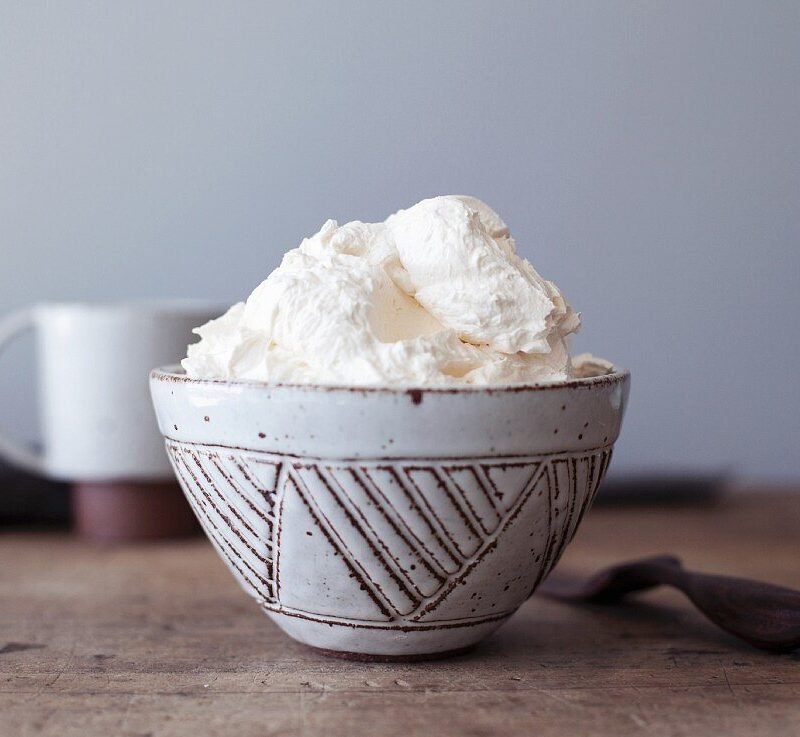
Did you know that heavy cream is a staple in many kitchens, used in everything from rich sauces to decadent desserts? In fact, the global dairy market, which includes cream, was valued at over $650 billion in 2022 [Source: Statista]. But what happens when you reach for your recipe and find yourself out of this essential ingredient? Don’t panic! Several fantastic heavy cream substitutes can save your culinary creations.
Why You Might Need a Substitute
There are numerous reasons why you might be searching for an alternative to heavy cream:
- Dietary Restrictions: Some people avoid dairy due to lactose intolerance or vegan lifestyles.
- Availability: Sometimes, you just run out, and a quick trip to the store isn’t an option.
- Health Considerations: Heavy cream is high in fat, and some individuals prefer to use lighter options.
- Specific Recipe Needs: Certain recipes might call for a slightly different texture or flavor profile that a substitute can provide.
Top Heavy Cream Substitutes
Fortunately, the culinary world offers a diverse range of options. The best substitute will often depend on the specific recipe you’re making.
Dairy-Based Substitutes
If you’re not avoiding dairy altogether, these are often the easiest swaps.
Milk and Butter Combination
This is a classic and highly effective substitute. By combining milk with melted butter, you can mimic the fat content and richness of heavy cream.
- How to make it: For every cup of heavy cream needed, use 7/8 cup of milk (whole milk is best for richness) and 3 tablespoons of melted unsalted butter. Whisk them together thoroughly until well combined. This mixture closely replicates the fat percentage of heavy cream.
Evaporated Milk
Evaporated milk is a concentrated dairy product that can work in many savory dishes and some baked goods. It has a slightly cooked flavor.
- How to use it: You can often use evaporated milk as a 1:1 substitute for heavy cream in recipes like creamy soups or sauces. For a richer result, you can combine it with a small amount of melted butter.
Half-and-Half
Half-and-half is essentially a mix of whole milk and heavy cream. It has a lower fat content than heavy cream, so it might not provide the same level of richness or stability for whipping.
- When to use it: It’s a good substitute in dishes where extreme richness isn’t the primary goal, such as in some coffee drinks or lighter sauces. For recipes requiring more fat, you can try adding a tablespoon of melted butter to each cup of half-and-half.
Sour Cream or Plain Yogurt (Full-Fat)
Full-fat sour cream or plain yogurt can add a tangy creaminess to dishes. They are excellent for thickening sauces and dips.
- Important Note: Because of their acidity, it’s best to add them towards the end of cooking, and avoid boiling them vigorously, as they can curdle. You might want to thin them slightly with a bit of milk to achieve a smoother consistency.
Non-Dairy Substitutes
For those following a vegan diet or with dairy allergies, these plant-based options are excellent choices.
Coconut Cream (Full-Fat)
Full-fat canned coconut cream is a popular and effective vegan substitute. It has a high fat content and a creamy texture.
- Considerations: Coconut cream has a distinct coconut flavor, which can be a delicious addition to sweet recipes like curries or desserts. For savory dishes where you don’t want a coconut taste, you might want to choose a different substitute. Ensure you’re using the cream from the top of the can, not the thinner liquid.
Silken Tofu
Silken tofu, when blended, creates a surprisingly smooth and creamy base.
- How to use it: Blend about 3/4 cup of silken tofu with 1/4 cup of water or unsweetened plant-based milk until completely smooth. This creates a neutral-tasting cream substitute suitable for sauces, dressings, and even some desserts.
Blended Cashews
Soaked and blended cashews can produce a wonderfully rich and creamy liquid.
- Preparation: Soak 1 cup of raw cashews in hot water for at least 30 minutes (or in cold water overnight). Drain and blend with 1 cup of fresh water until perfectly smooth. This creates a versatile, dairy-free cream. For more information on making creamy bases, check out how to make heavy cream from scratch, which often involves similar techniques.
Choosing the Right Substitute
When selecting a substitute, consider the following:
- Fat Content: Heavy cream is about 36-40% fat. Substitutes with higher fat content will yield richer results.
- Flavor Profile: Does your recipe need a neutral flavor, or can it accommodate a hint of coconut or tanginess?
- Cooking Method: Will the substitute be heated? Will it need to hold its shape for whipping?
Conclusion
Running out of heavy cream doesn’t have to be a kitchen catastrophe. With these versatile substitutes, you can continue to create delicious meals and desserts, whether you’re accommodating dietary needs or simply working with what you have on hand. Experiment with different options to find your favorites for various culinary applications.